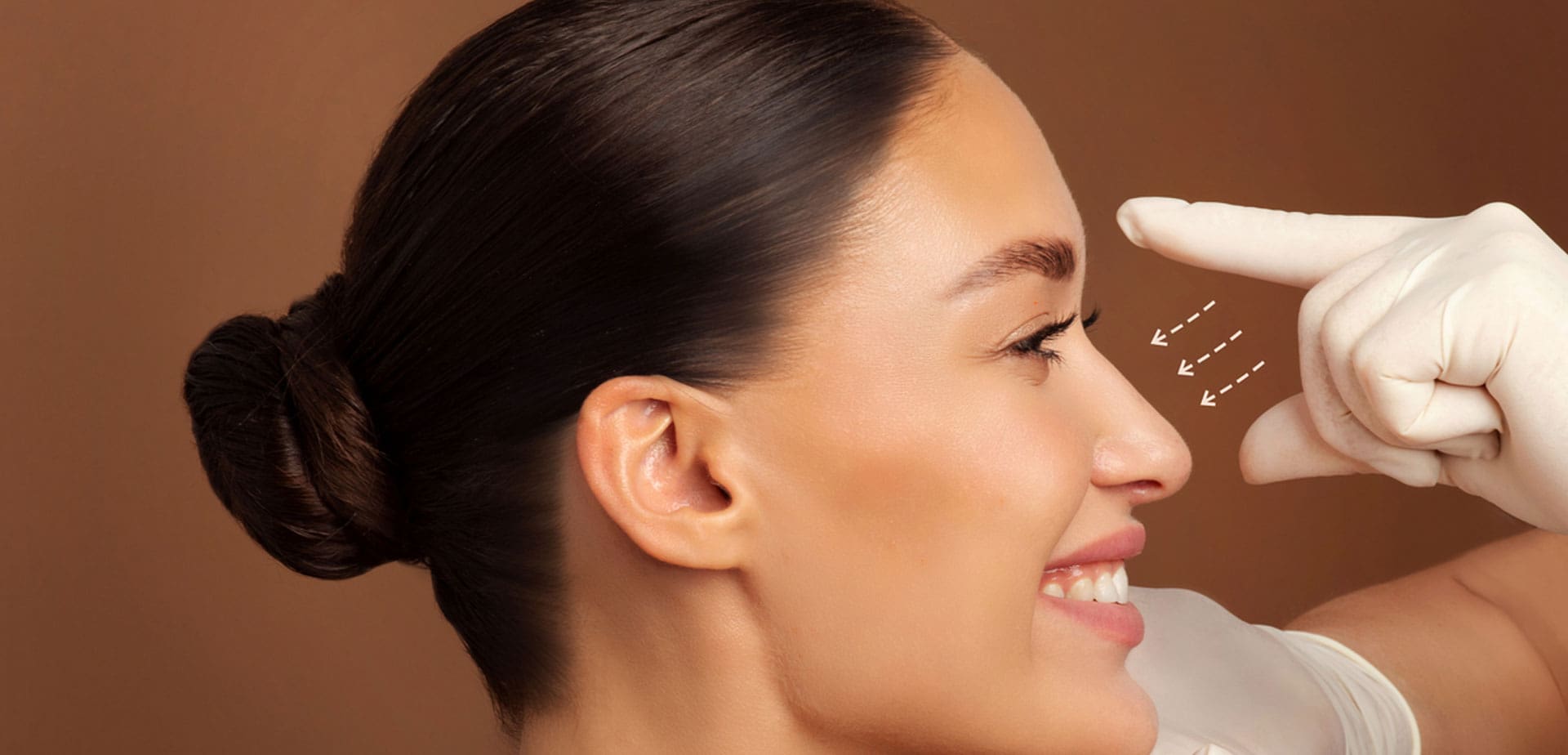
Most rhinoplasty patients achieve results that improve both facial balance and confidence. However, rhinoplasty is a highly complex procedure, and not every patient is fully satisfied after their initial surgery. Some continue to notice cosmetic concerns, while others develop breathing difficulties or structural issues that affect daily life.
Revision rhinoplasty is designed to address these concerns after a previous nasal surgery. Understanding why patients seek revision procedures can provide valuable insight into the challenges of rhinoplasty and the importance of individualized treatment planning.
Dissatisfaction With Cosmetic Results
One of the most common reasons patients pursue revision rhinoplasty is dissatisfaction with their appearance after healing is complete. While expectations may vary, patients often seek revision when they feel the final result does not align with the goals discussed before surgery.
Examples may include:
- A remaining hump along the bridge
- Persistent asymmetry
- An overly narrow appearance
- A nasal tip that lacks definition
- A nose that appears too large or too small for the face
In some situations, the issue is not a dramatic surgical error but a subtle imbalance that becomes more noticeable over time. Because the nose is a central facial feature, even minor irregularities can affect overall facial harmony.
Breathing Problems After Surgery
Functional concerns are another major reason patients seek revision rhinoplasty. Although rhinoplasty can improve airflow when performed appropriately, some patients experience worsening nasal obstruction after surgery.
Breathing difficulties may result from:
- Internal nasal valve collapse
- Residual septal deviation
- Structural weakness
- Scar tissue formation
- Excessive cartilage removal
When breathing becomes compromised, revision rhinoplasty may focus on restoring structural support while simultaneously improving appearance.
Healing Does Not Always Follow a Predictable Path
Even when surgery is technically successful, healing can influence the final result in unexpected ways. Every patient’s anatomy responds differently to surgery, and scar tissue can alter contours as the healing process unfolds.
In some cases, concerns that were not apparent immediately after surgery become noticeable months later. Patients may observe asymmetries, irregularities, or changes in tip position that gradually emerge as swelling resolves.
This unpredictability is one reason surgeons typically recommend waiting at least a year before considering revision surgery.
Changes Caused by Trauma
Not all revision rhinoplasty procedures stem from dissatisfaction with the original operation. Some patients sustain nasal injuries after surgery that alter their results.
Sports injuries, falls, vehicle accidents, and other forms of trauma can affect both the appearance and function of the nose. Revision surgery may be necessary to restore symmetry, improve breathing, or repair damaged structures.
Overcorrection and Undercorrection
Achieving the ideal balance in rhinoplasty requires precision. Occasionally, changes made during surgery may be more aggressive or more conservative than intended.
Overcorrection can lead to:
- Excessive narrowing
- Loss of structural support
- An unnatural appearance
Undercorrection may leave patients feeling that little has changed despite undergoing surgery.
Revision rhinoplasty can help refine these outcomes and create a result that better complements the patient’s facial features.
Emotional Considerations
Patients often invest significant time, money, and emotional energy into rhinoplasty. When expectations are not met, the experience can be disappointing.
Revision rhinoplasty provides an opportunity to revisit concerns and explore potential solutions. Open communication and realistic goal-setting are critical to achieving a successful outcome.
Patients who understand both the possibilities and limitations of revision surgery are often better positioned to make informed decisions about their treatment.
Why Revision Rhinoplasty Requires Specialized Planning
Revision procedures are typically more challenging than primary rhinoplasty because the anatomy has already been altered. Scar tissue, previous cartilage removal, and structural changes all influence surgical planning.
As a result, revision rhinoplasty often involves:
- More extensive evaluation
- Greater technical complexity
- Structural reconstruction
- Cartilage grafting when necessary
The goal is not simply to change the nose again, but to improve both appearance and function while preserving long-term stability.
A Second Opportunity for Improvement
Revision rhinoplasty exists because not every result unfolds exactly as expected. Whether patients are concerned about appearance, breathing, structural support, or changes caused by injury, a carefully planned revision procedure can help address lingering issues.
By focusing on facial harmony, nasal function, and realistic expectations, revision rhinoplasty offers many patients a meaningful opportunity to achieve a result that better reflects their goals.