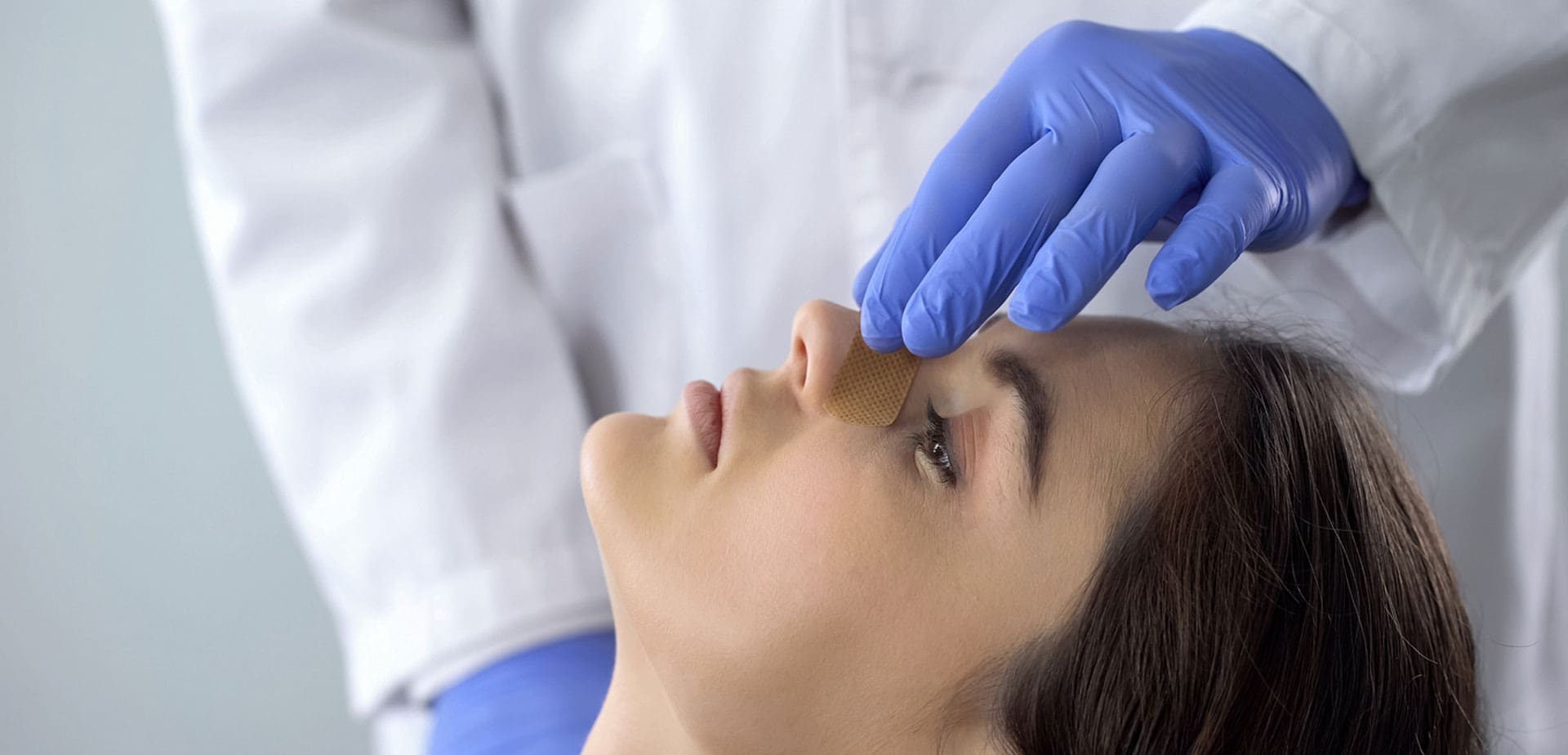
Rhinoplasty is one of the most complex procedures in facial plastic surgery. While many patients are pleased with their results after their initial surgery, some find that their outcome does not fully meet their expectations or that functional concerns persist after healing. In these situations, revision rhinoplasty may provide an opportunity to address lingering cosmetic or structural issues.
Revision rhinoplasty is a secondary procedure performed after a previous rhinoplasty. Whether the goal is to improve appearance, restore function, or correct complications from an earlier surgery, revision procedures require careful planning and a highly individualized approach. Because the nose has already undergone surgical changes, revision rhinoplasty is often more complex than a primary rhinoplasty.
Why Revision Rhinoplasty May Be Needed
There are many reasons a patient may consider revision rhinoplasty. In some cases, concerns become apparent shortly after healing, while others emerge gradually over time as scar tissue develops or structural support changes.
Common reasons patients pursue revision rhinoplasty include:
- Persistent asymmetry
- Irregularities along the bridge
- A nasal tip that appears too large, too small, or poorly defined
- Overcorrection or undercorrection of a previous concern
- Breathing difficulties that developed after surgery
- Collapse of internal nasal structures
- Dissatisfaction with overall facial balance
It is important to recognize that healing after rhinoplasty can take time. Patients are generally advised to wait until healing is substantially complete before considering revision surgery, which is often at least one year after the original procedure.
The Challenges of Secondary Surgery
Revision rhinoplasty differs significantly from primary rhinoplasty because the surgeon must work with anatomy that has already been altered. Previous cartilage removal, scar tissue formation, and structural changes can create unique challenges that require advanced surgical expertise.
Unlike a first-time procedure where the anatomy is relatively predictable, revision surgery often requires a more detailed evaluation to determine what changes were made during the original operation and how those changes affect current concerns.
Scar tissue may obscure natural landmarks, and some patients may require cartilage grafting to restore support and shape. These factors contribute to the complexity of revision rhinoplasty and underscore the importance of careful surgical planning.
Cosmetic Refinement and Functional Improvement
Many revision rhinoplasty patients seek cosmetic improvements, but functional concerns are equally common. Difficulty breathing through the nose can occur when structural support is weakened or when internal airflow pathways become compromised.
Revision rhinoplasty may address:
- Nasal obstruction
- Internal valve collapse
- Structural instability
- Persistent deviation
- Cosmetic asymmetries
- Tip deformities
- Bridge irregularities
By combining aesthetic refinement with structural reconstruction when necessary, revision rhinoplasty can improve both appearance and function.
Setting Realistic Expectations
One of the most important aspects of revision rhinoplasty is establishing realistic goals. Because previous surgery has already altered the nasal anatomy, there may be limitations that influence what can be achieved.
A thorough consultation helps identify specific concerns while providing a realistic understanding of potential outcomes. The goal is not necessarily perfection, but meaningful improvement that enhances facial harmony and nasal function.
Patients often find that even relatively modest refinements can make a significant difference in their overall satisfaction.
The Role of Cartilage Grafting
Many revision rhinoplasty procedures involve rebuilding or reinforcing structures that were weakened during a prior surgery. Cartilage grafts may be used to restore support, improve contour, or strengthen areas that contribute to breathing problems.
Cartilage is commonly obtained from the patient’s own septum, ear, or rib, depending on the amount required and the specific goals of the procedure.
These grafts help create a stable framework that supports both aesthetic and functional improvements.
Recovery After Revision Rhinoplasty
Recovery following revision rhinoplasty is similar in many ways to recovery after primary rhinoplasty, although healing timelines can vary based on the extent of the procedure.
Patients should expect swelling during the early recovery period, with gradual improvement over the following months. Because revision surgery often involves more intricate reconstruction, final results may take longer to fully develop.
Patience is essential, as subtle refinements continue to emerge as swelling resolves and tissues settle.
Moving Forward After a Previous Rhinoplasty
Experiencing disappointment after rhinoplasty can be frustrating, particularly when expectations were high. Revision rhinoplasty offers an opportunity to address unresolved concerns while improving both appearance and function.
With a thoughtful approach and careful attention to facial balance and structural support, revision rhinoplasty can help patients achieve a result that feels more natural, comfortable, and aligned with their goals.