Struggling for a full breath of air through your nose is a frustrating experience that drains your energy and impacts your daily comfort. When one or both of your nasal passages feel constantly blocked, basic activities like sleeping, exercising, or even eating become surprisingly difficult. Many people rely on temporary fixes like nasal strips or decongestant sprays, hoping for relief. However, when the underlying issue is structural, these quick fixes always fall short.
The wall of cartilage and bone dividing your nasal cavity is called the septum. Ideally, it sits centered, allowing adequate airflow through both nostrils. When this wall is off-center or crooked—a condition known as a deviated septum—it physically blocks the airway. Correcting this structural defect through a procedure called septoplasty offers a permanent solution, transforming how your body functions and vastly improving your overall quality of life.
Understanding a Deviated Septum
A deviated septum is incredibly common. Some people are born with this structural irregularity, while others develop it after a sports injury, accident, or minor facial trauma. Regardless of the cause, the physical result remains the same: a narrowing of the nasal passage that makes breathing feel like a constant chore.
When your septum bends to one side, it restricts the natural flow of oxygen. Your body is highly adaptive and will instinctively switch to mouth breathing to compensate. While this keeps you oxygenated, mouth breathing bypasses the essential filtering, warming, and humidifying functions of your nose.
Recognize common signs of a severely deviated septum:
- Chronic congestion that favors one side of your nose.
- Frequent nosebleeds caused by air drying out the narrowed nasal passage.
- Noticeable facial pain or pressure that lingers for days.
- Dry mouth that irritates your throat when sleeping.
The Physical Toll of Restricted Breathing
Living with a compromised airway affects far more than just your nose. Your entire body relies on a steady, effortless supply of oxygen to function optimally. When nasal breathing is obstructed, you expend extra energy simply trying to pull air into your lungs.
This continuous struggle takes a subtle but significant toll on your physical well-being. The reliance on mouth breathing leads to severe dry mouth, which increases the risk of dental issues and chronic bad breath. Furthermore, the inability to breathe naturally creates a persistent sense of exhaustion that follows you throughout the day, making it difficult to concentrate or stay productive.
How Septoplasty Corrects the Airway
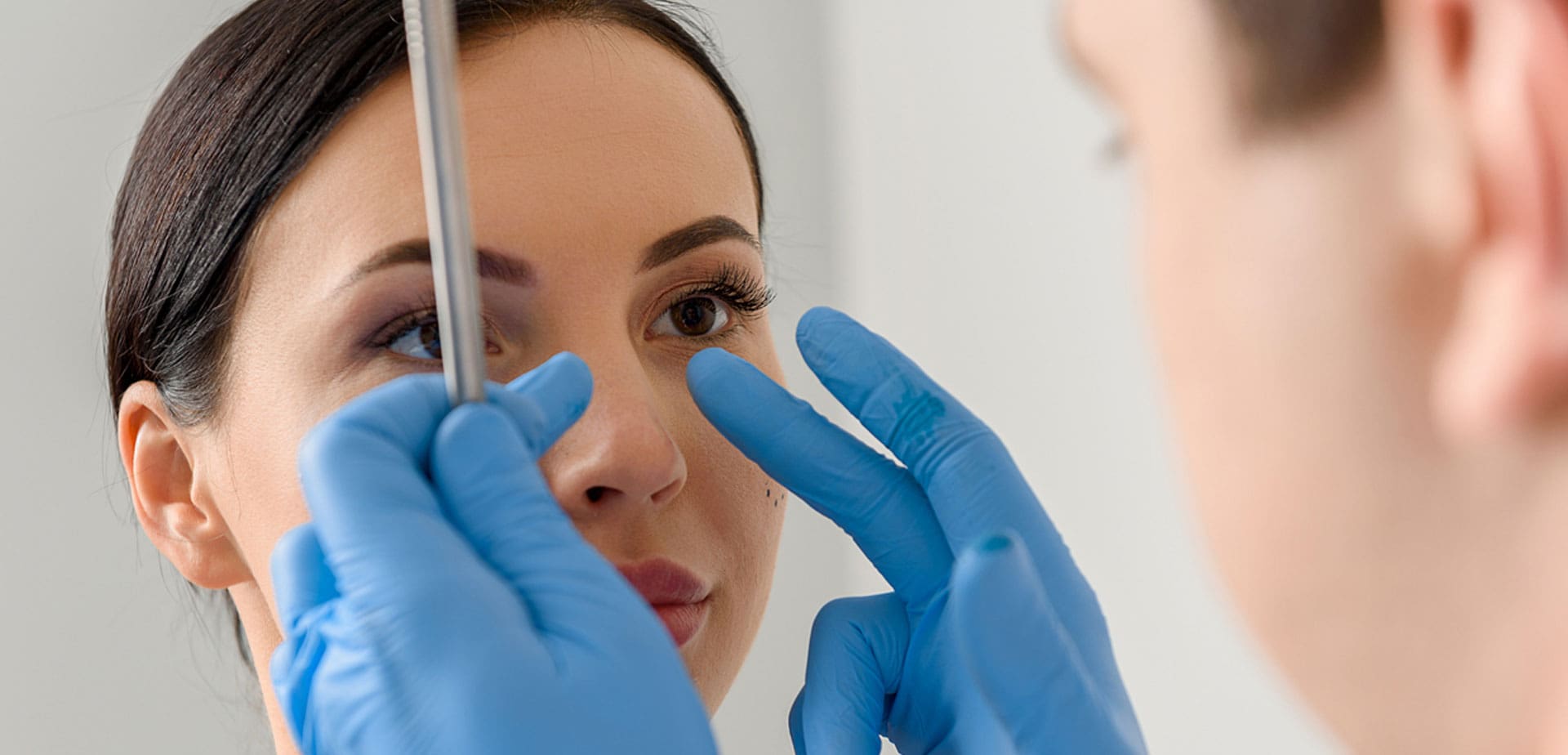
Septoplasty is a highly effective surgical procedure designed to straighten the nasal septum and clear your airway. Unlike rhinoplasty, which changes the external appearance of the nose, septoplasty focuses entirely on the internal structure. The goal is purely functional: to restore proper alignment and give you back your ability to breathe freely.
The procedure is straightforward and typically performed on an outpatient basis. Surgeons work carefully inside the nasal cavity, meaning there are no visible external scars.
Follow this step-by-step overview of the surgical process:
- Your dedicated anesthesia provider administers anesthesia to ensure you remain completely comfortable and pain-free.
- A small incision is made inside the nasal cavity to lift the mucous membrane covering the septum.
- The surgeon carefully reshapes, repositions, or removes the deviated portions of bone and cartilage.
- The mucous membrane is laid back down over the newly straightened septum.
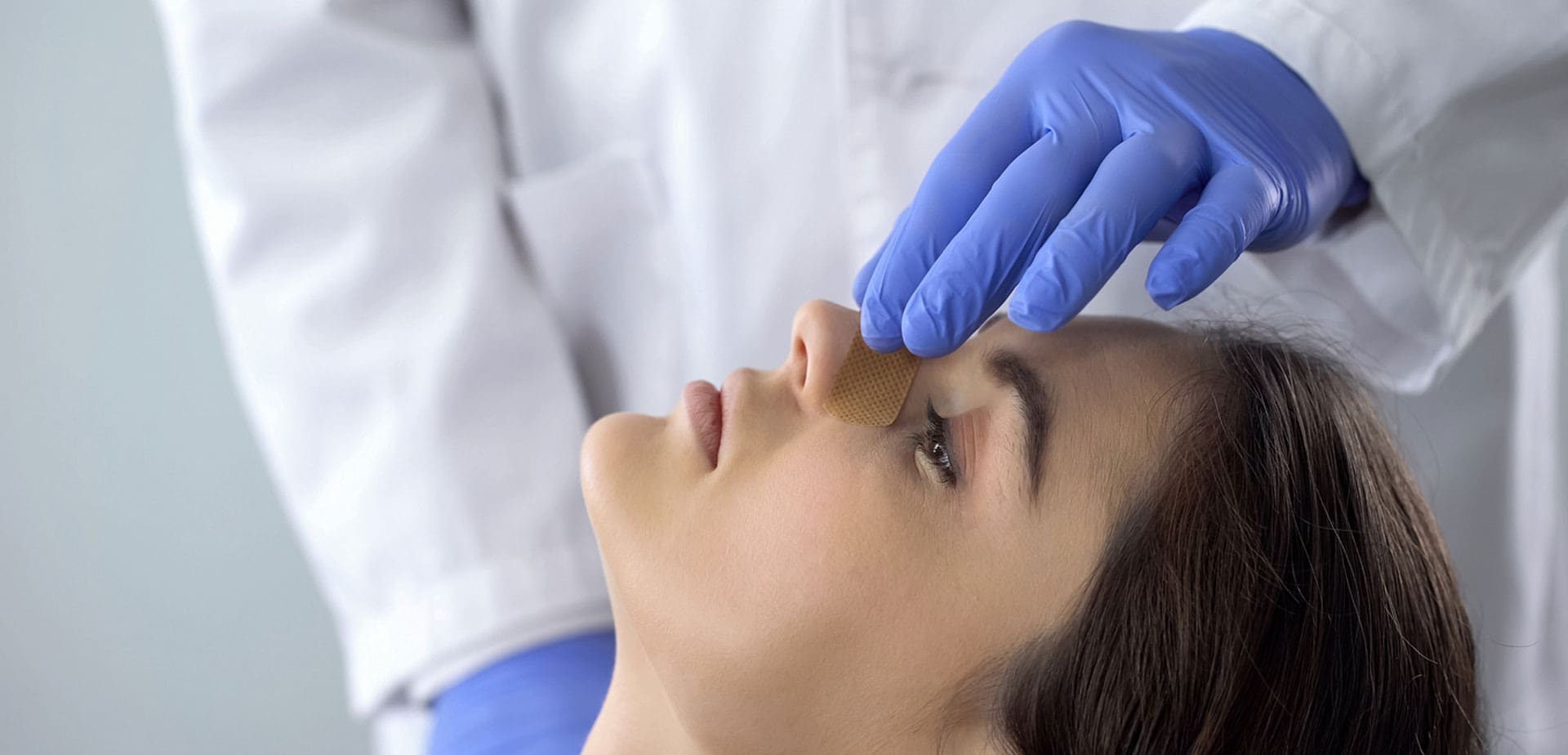
- Soft splints may be placed inside the nose to support the healing tissues and prevent bleeding.
Experiencing Better Sleep and Energy
One of the most profound benefits of septoplasty is the dramatic improvement in sleep quality. Blocked nasal passages are a leading cause of restless nights. When you lie down, blood flow to your nasal tissues increases, which worsens any existing congestion. This forces you to breathe through your mouth, leading to loud snoring and disrupted sleep cycles.
By opening the nasal airways, septoplasty allows you to breathe quietly and continuously through your nose all night. You transition smoothly through the deep, restorative phases of sleep without constantly waking up to adjust your breathing.
Notice these sleep-related improvements after recovery:
- A significant reduction or elimination of chronic snoring.
- Relief from waking up with an irritating dry mouth or sore throat.
- Enhanced daytime alertness and a natural reduction in reliance on caffeine.
- Better mood regulation and mental clarity throughout your day.
Reducing Chronic Sinus Issues
Your sinuses depend on clear nasal passages to drain properly. A deviated septum may restrict these critical drainage pathways, trapping fluid inside the hollow cavities of your skull. This trapped fluid acts as a breeding ground for bacteria, leading to painful and recurrent sinus infections.
If you find yourself battling sinus pressure and infections multiple times a year, your nasal anatomy may be a likely culprit. Straightening the septum opens up the space around the sinus openings, allowing your body to clear mucus naturally.
Clearing the septum provides powerful sinus relief:
- Reduces the frequency of debilitating sinus infections.
- May alleviates the heavy, aching pressure behind your eyes and cheeks.
- Reduces the need for rounds of antibiotics and daily pain relievers.
Enhancing Exercise and Daily Activity
Cardiovascular exercise demands a high volume of oxygen. If your nasal airway is restricted, your lungs struggle to keep up with the demands of your workout. You might feel prematurely exhausted, dizzy, or short of breath during activities that should feel manageable.
A straight septum and open nasal airway allow you to breathe deeply and rhythmically during physical exertion. This efficient oxygen delivery supports your muscles and cardiovascular system, naturally increasing your stamina. Whether you enjoy running, cycling, or simply taking long walks, breathing easily makes physical activity far more enjoyable and sustainable.
Navigating the Recovery Process
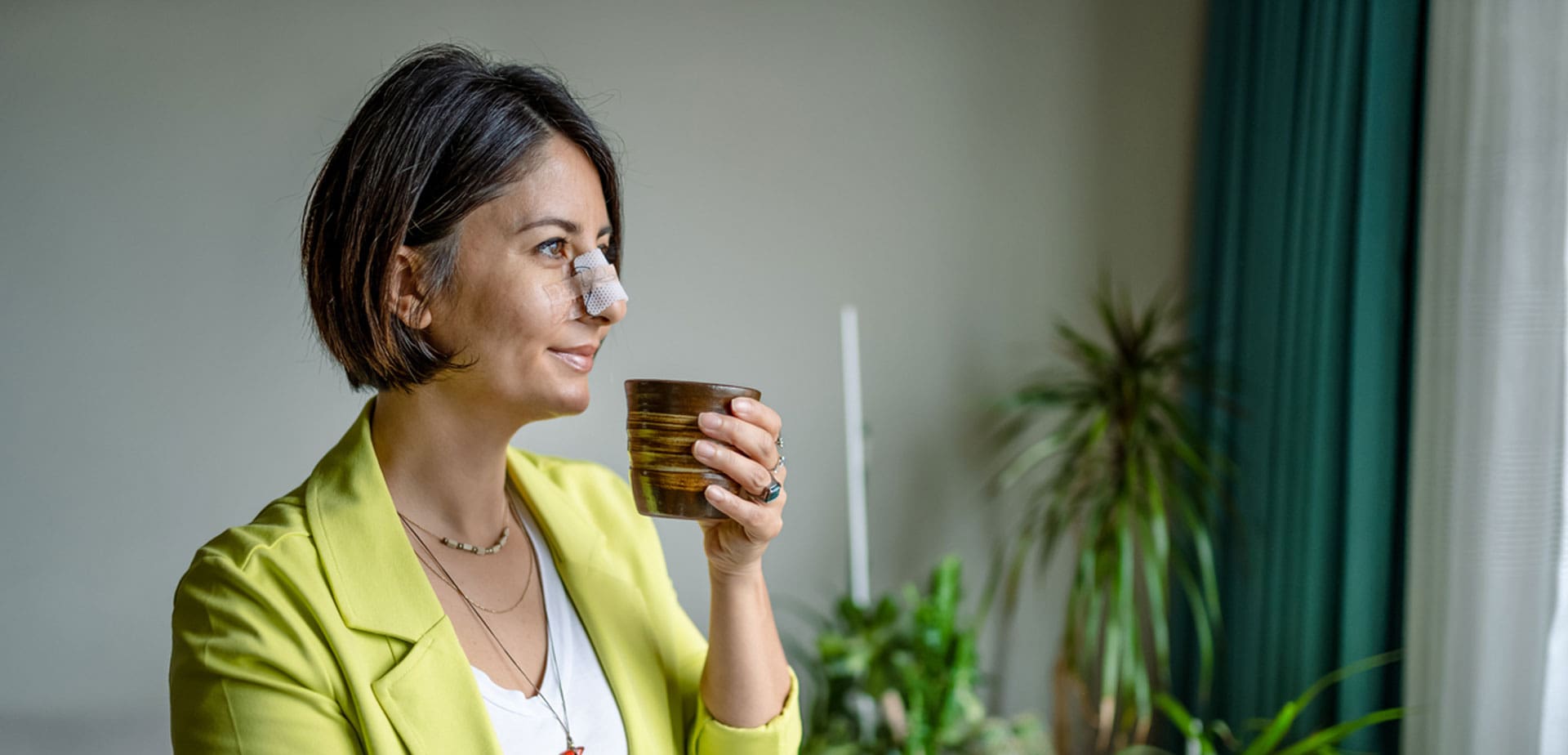
Knowing what to expect after surgery helps you prepare mentally and physically for a smooth healing journey. The recovery from septoplasty is generally manageable, with most people returning to work or normal routines within a few days. While the initial days involve some mild bleeding and congestion, the long-term payoff is entirely worth the brief period of discomfort.
Your care team provides detailed instructions to protect your healing nose and maximize your comfort. Adhering to these guidelines ensures the best possible outcome.
Take these steps to support your recovery:
- Rest with your head elevated on extra pillows to reduce internal swelling.
- Avoid blowing your nose for 2-3 weeks, gently dabbing away any drainage instead.
- Use saline nasal sprays exactly as directed by your surgeon to keep the nasal passages moist.
- Refrain from strenuous exercise, heavy lifting, or bending over until your surgeon gives you the all-clear.
- Attend all scheduled follow-up appointments to have splints removed and your healing progress evaluated.
Taking the Next Step for Your Health
Reach out to a board-certified ENT or facial plastic surgeon today to schedule a comprehensive evaluation. Explore your options, ask questions, and take confident control of your health journey. Start experiencing the profound benefits of clearer breathing and better living.