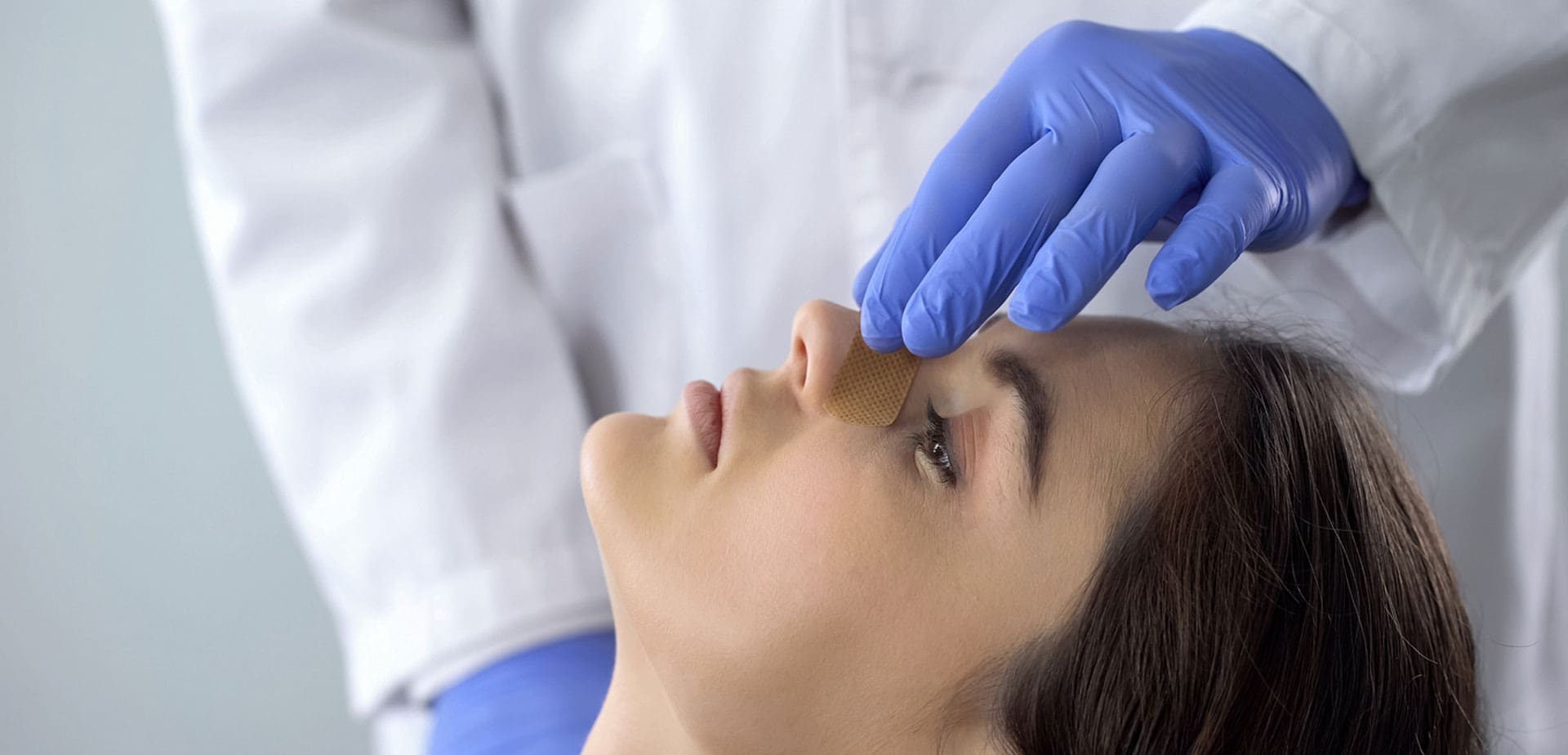
Undergoing nasal surgery involves careful planning, emotional investment, and a period of dedicated recovery. When the results of that initial procedure fall short of your expectations or create new functional issues, it is entirely normal to feel frustrated or disappointed. You trusted the process, and the outcome simply did not align with your goals. However, an unsatisfactory result does not have to be the end of your journey.
Revision rhinoplasty offers a specialized pathway to correct previous surgical outcomes, restore natural airflow, and refine your facial harmony. This highly advanced procedure requires immense precision, deep anatomical knowledge, and a customized approach. Understanding how this secondary surgery works will empower you to take the next confident step toward reclaiming your health and your self-image.
Understanding Revision Rhinoplasty
A secondary or revision rhinoplasty is a specialized surgical procedure designed to address and correct the complications or unsatisfactory results of a previous nose surgery. Every nose is unique, and healing is an unpredictable process. Sometimes, even with a highly skilled primary surgeon, the body heals in ways that alter the intended cosmetic or functional result.
This procedure focuses on rebuilding and refining the form of the nose. Because the original anatomy has already been altered, revision surgery demands a higher degree of surgical expertise. Surgeons who specialize in these complex cases possess a deep understanding of facial symmetry, structural support, and advanced grafting techniques. They work meticulously to repair the structural foundation while ensuring the external appearance matches your true goals.
Common Reasons for Seeking a Second Surgery
People choose to undergo a secondary nasal procedure for a wide variety of reasons. Often, the motivations are a complex blend of both cosmetic dissatisfaction and functional impairment. Recognizing your specific concerns is the first step in formulating an effective surgical plan.
If your primary surgery left you with ongoing issues, you are far from alone. Many patients experience similar challenges during their healing process.
Consider these frequent reasons for pursuing a secondary procedure:
- Persistent breathing difficulties or newly developed airway obstructions.
- Asymmetry in the nasal tip or bridge that became apparent after the swelling subsided.
- Over-resection, where too much cartilage or bone was removed, leading to a pinched or overly scooped appearance.
- Under-resection, leaving a residual bump or a nose that still feels too prominent for your face.
- Excessive scar tissue formation that distorts the internal or external shape of the nose.
- Collapse of the nasal valves, causing the sides of the nose to cave in when inhaling deeply.
The Unique Challenges of Revision Procedures
Re-operating on a nose presents a distinct set of challenges that simply do not exist during a primary surgery. When a surgeon opens the nasal cavity for the first time, they navigate natural, untouched anatomy. In a revision scenario, the landscape looks drastically different.
The primary obstacle is the presence of internal scar tissue. Scar tissue is denser and less predictable than natural tissue, making it harder to sculpt. Additionally, previous surgeries often deplete the natural cartilage available in the septum. Cartilage grafts act as the building blocks for the nose. If the original building blocks are missing, the surgeon needs to find structural support elsewhere to rebuild the nasal framework securely.
The Role of Cartilage Grafting
Because structural support is often compromised in a previously operated nose, surgeons frequently rely on grafting techniques to achieve a successful revision. Grafting involves taking healthy tissue from one part of the body and using it to reconstruct the weakened areas of the nasal cavity.
Using your own natural tissue is the safest and most effective way to restore structural integrity and ensure long-term stability. Your surgeon carefully evaluates which grafting method best suits your specific anatomical needs.
Common grafting sources include:
- Septal cartilage: The preferred choice, utilizing any remaining cartilage inside the nasal septum.
- Ear cartilage: Soft and pliable, making it an excellent option for reshaping and defining the nasal tip.
- Rib cartilage: Strong and abundant, providing the robust support needed for major structural reconstruction.
- Cadaveric donated rib cartilage: strong and robust source of cartilage without the morbidity of taking your own rib cartilage.
Preparing for Your Consultation
The consultation is a pivotal moment in your revision journey. It sets the foundation for a transparent, trusting relationship between you and your nasal revision surgeon. Because you have already been through the surgical process once, you likely have specific questions and concerns. Preparation ensures you make the most of this critical appointment.
Timing is highly important when considering a secondary procedure. Tissues require ample time ideally to settle and heal completely before another operation takes place. Most expert surgeons recommend waiting at least one full year after your initial procedure before exploring a revision.
Take these step-by-step actions to prepare for your surgical consultation:
- Wait the recommended twelve months to allow all residual swelling and internal inflammation to resolve.
- Gather your previous surgical and medical records, including operative notes from your original surgeon.
- Compile a clear, concise list of your specific functional and aesthetic concerns.
- Bring photographs of yourself from before your primary surgery, as well as reference photos that clearly illustrate your goals.
- Ask detailed questions about the surgeon’s specific experience with complex revision cases and their approach to grafting.
The Surgical Process Explained
Knowing what happens in the operating room helps alleviate anxiety and builds confidence in your decision. Revision rhinoplasty is performed under anesthesia, ensuring you remain completely comfortable and asleep throughout the entire procedure.
Depending on the complexity of your case, the surgery generally takes anywhere from three to five hours. The surgeon approaches the operation with a detailed, customized plan designed to address your unique structural challenges.
Follow this step-by-step overview of the surgical timeline:
- Your dedicated anesthesia team administers medication to ensure a pain-free, comfortable experience while you are asleep.
- The surgeon makes precise incisions, frequently using an open approach with a small incision at the base of the nose.
- Internal scar tissue is carefully navigated and removed to expose the underlying nasal framework.
- Necessary cartilage grafts are harvested from the septum, ear, or rib to provide new structural support. Donated cadaveric rib cartilage is also a possible source of cartilage.
- The surgeon meticulously reconstructs the airway and reshapes the external contours using the newly placed grafts.
- Incisions are closed with fine sutures, and a protective splint is placed over the bridge of the nose.
Navigating the Recovery Journey
Healing from a secondary nasal surgery requires patience, rest, and a commitment to following your post-operative instructions. Because the tissues have been operated on before, the recovery timeline often differs slightly from your primary experience. Swelling tends to linger a bit longer, and the tissues require extra time to settle into their final position.
Your surgical team provides a comprehensive care plan to keep you comfortable and protect your delicate healing tissues. Adhering closely to these guidelines ensures the best possible environment for a smooth recovery.
Support your healing process by adopting these practices as you heal:
- Rest with your head elevated on several pillows for the first few weeks to minimize facial swelling.
- Avoid wearing glasses that rest on the bridge of your nose until your surgeon gives you official clearance.
- Use gentle saline sprays exactly as directed to keep the internal nasal passages clean and comfortably moist.
- Refrain from strenuous workouts, heavy lifting, or bending forward to prevent unwanted spikes in blood pressure.
- Attend all scheduled follow-up visits so your surgeon can monitor your progress and safely remove your protective splints.
Reclaiming Your Confidence
Choosing to undergo a revision procedure is a courageous step toward reclaiming your goals and your confidence. An initial surgery that did not meet your expectations is an incredibly difficult experience, but it does not dictate your final result. With advanced surgical techniques and the right specialized expertise, achieving a natural, functional, and aesthetically pleasing outcome is entirely possible.