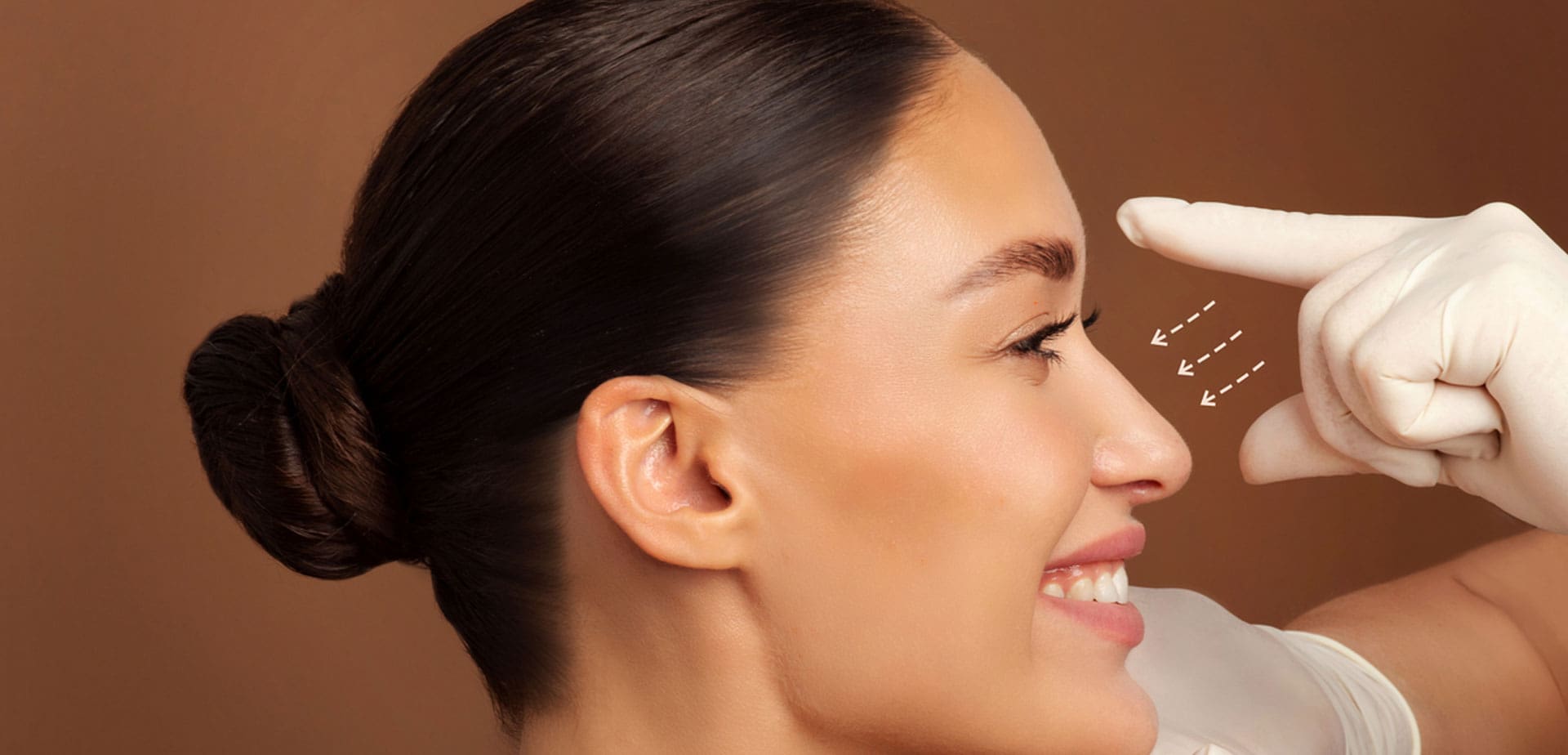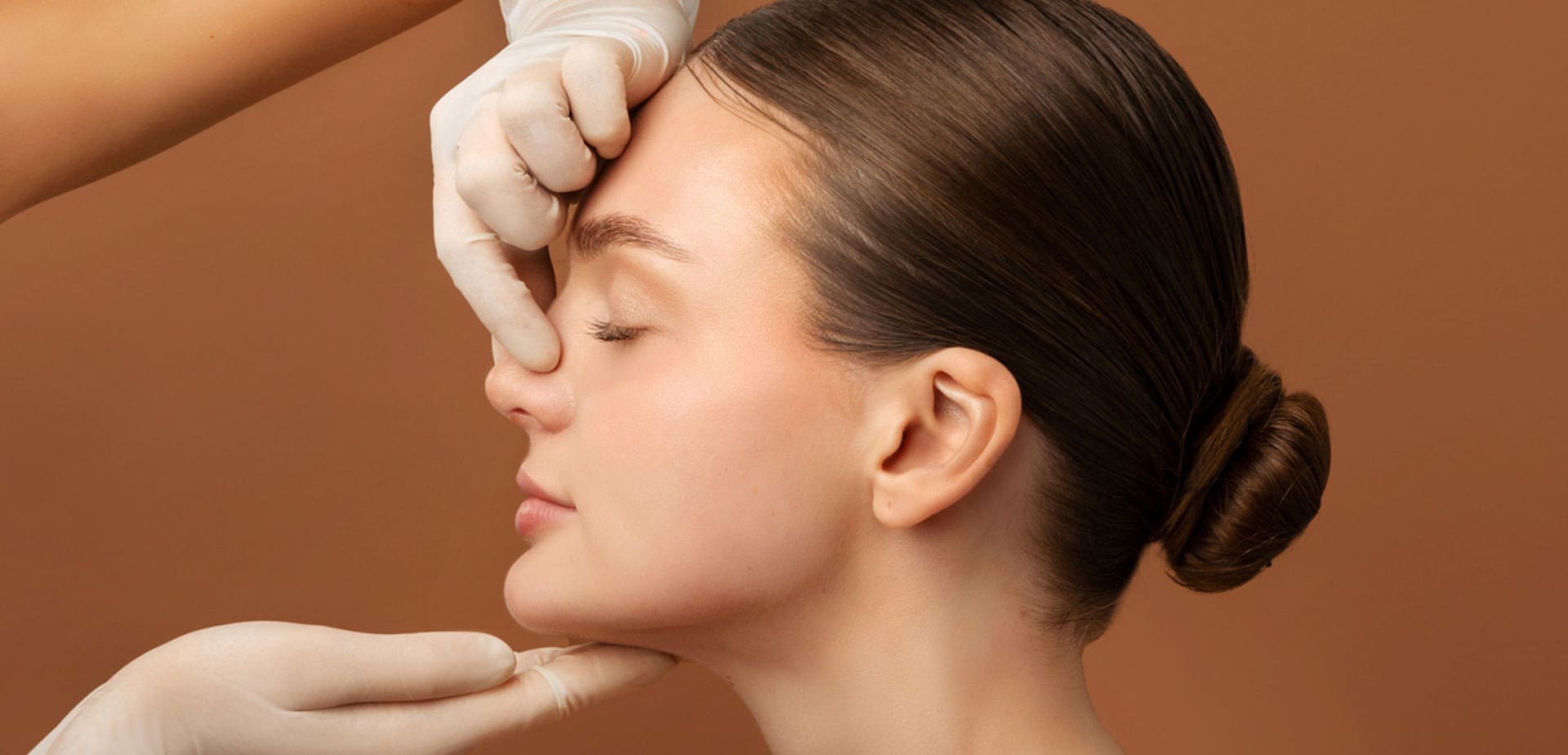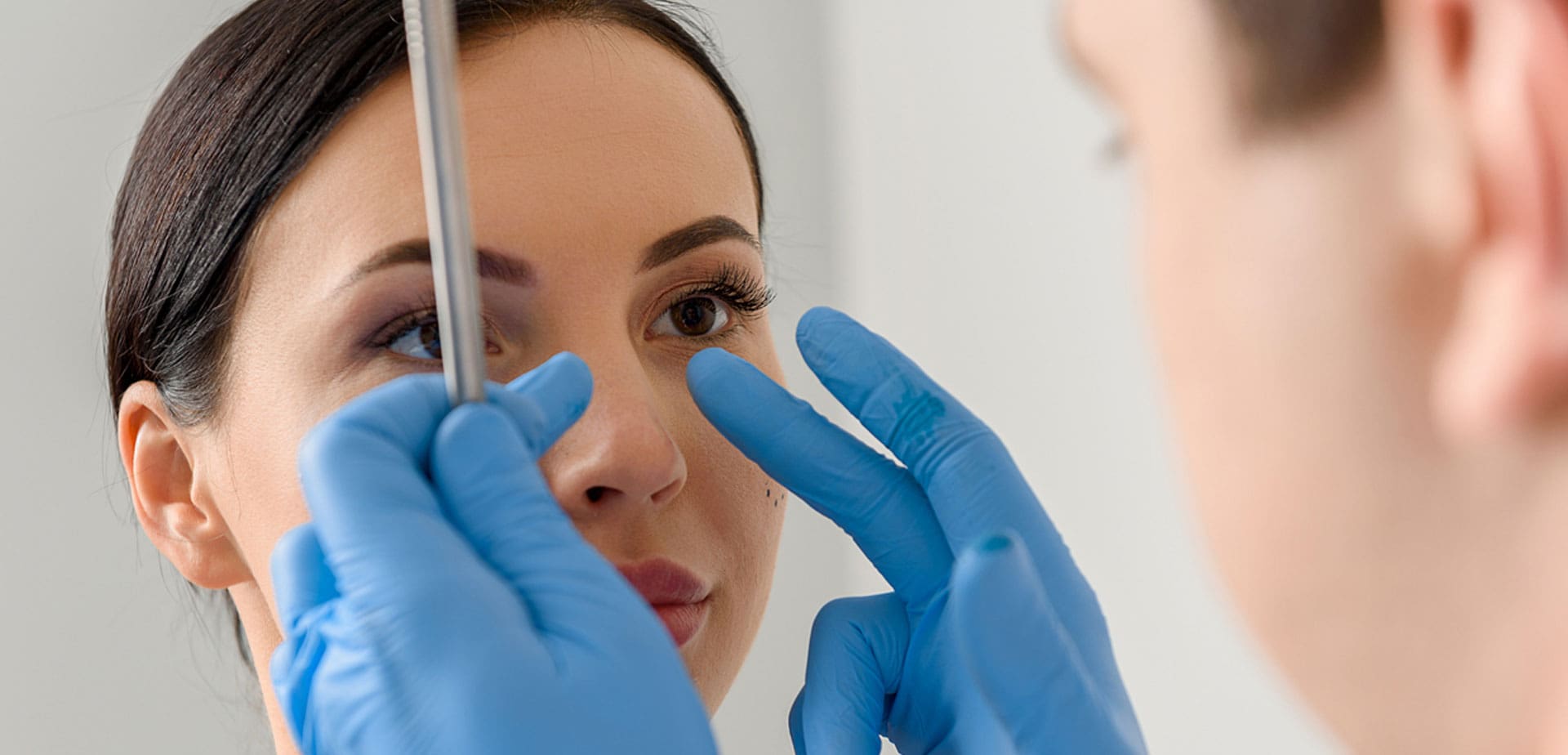
Rhinoplasty is one of the most personalized procedures in plastic surgery. While many people associate rhinoplasty with changing the size or shape of the nose, the goal of rhinoplasty is often much more nuanced. Rather than creating a dramatically different appearance, the Finesse technique focus on improving balance, proportion, and harmony between the nose and the rest of the facial features.
In Beverly Hills and other image-conscious communities, patients increasingly seek natural-looking results that enhance their overall appearance without making it obvious that surgery was performed. Finesse rhinoplasty reflects this shift in priorities, emphasizing refinement over transformation and individuality over one-size-fits-all outcomes.
Understanding Facial Harmony
The nose occupies a central position on the face, making it one of the most influential features when it comes to overall facial balance. Even relatively small adjustments can significantly affect how the eyes, cheeks, lips, chin, and jawline appear in relation to one another.
Facial harmony does not mean perfection. It means creating proportions that feel balanced and natural for each individual patient. A nose that appears too prominent, too wide, crooked, or disproportionate can draw attention away from other attractive facial features. Thoughtfully planned rhinoplasty can help restore balance and create a more cohesive appearance.
Every face is unique, which is why successful rhinoplasty begins with careful analysis of facial structure rather than focusing solely on the nose itself.
What Finesse Rhinoplasty Can Address
Rhinoplasty can improve a variety of cosmetic concerns, including:
- A dorsal hump or bump along the bridge
- A nose that appears too large or too small for the face
- Nasal asymmetry
- A drooping or overly projected nasal tip
- Excessively wide nostrils
- A crooked nasal appearance
- Irregularities caused by previous injuries
In many cases, patients have multiple concerns that can be addressed during a single procedure. The objective is not simply to change a feature but to create a result that feels naturally integrated with the patient’s facial anatomy.
The Shift Toward Natural-Looking Results
Decades ago, rhinoplasty often focused on achieving a specific aesthetic ideal. Today, patients and surgeons alike generally prefer results that preserve facial character while enhancing overall balance.
Finesse rhinoplasty techniques allow for a more conservative and customized approach. Rather than aggressively removing cartilage or reshaping structures, surgeons often emphasize preservation, support, and refinement. This can help maintain long-term stability while producing results that look authentic and age gracefully.
Many patients express a similar goal during consultation: they want people to notice that they look refreshed, balanced, or more confident, without immediately identifying the reason.
The Importance of Individualized Planning
No two rhinoplasty procedures are exactly alike. The ideal outcome for one patient may be entirely inappropriate for another.
Factors that influence surgical planning include:
- Facial proportions
- Ethnic background
- Skin thickness
- Nasal anatomy
- Gender-related aesthetic preferences
- Functional breathing concerns
- Personal goals and expectations
Advanced imaging and detailed consultation discussions can help patients better understand potential outcomes while ensuring that surgical plans remain realistic and individualized.
A successful rhinoplasty should complement a patient’s natural features rather than erase them.
Cosmetic and Functional Benefits
Although rhinoplasty is often viewed as a cosmetic procedure, many patients also experience functional improvements. Structural abnormalities within the nose can contribute to chronic breathing difficulties, congestion, and reduced airflow.
When appropriate, rhinoplasty may be combined with functional corrections that address issues such as:
- Deviated septum
- Internal nasal valve collapse
- Prior nasal trauma
- Structural asymmetries affecting airflow
Combining cosmetic refinement with functional improvements can enhance both appearance and quality of life.
Recovery and Results
Recovery experiences vary, but most patients can expect some degree of swelling and bruising during the initial healing period. While visible improvements often become noticeable within the first few weeks, rhinoplasty is a procedure that continues to evolve over time.
Swelling gradually subsides over several months, with final refinement continuing for up to a year or longer in some cases. Patience is an important part of the process, as subtle changes emerge as healing progresses.
Because Finesse rhinoplasty focuses on precise, structural changes, results are designed to be long-lasting while maintaining a natural appearance.
Choosing the Right Approach
One of the most important aspects of rhinoplasty is understanding that successful results are not measured by how different a patient looks. Instead, success is often reflected in how naturally the nose fits the face and how confidently a patient feels after healing is complete.
Finesse rhinoplasty is about creating balance rather than drawing attention. By carefully considering facial proportions, preserving structural support, and tailoring treatment to the individual, surgeons can help patients achieve a more harmonious profile that enhances their natural beauty while remaining uniquely their own.